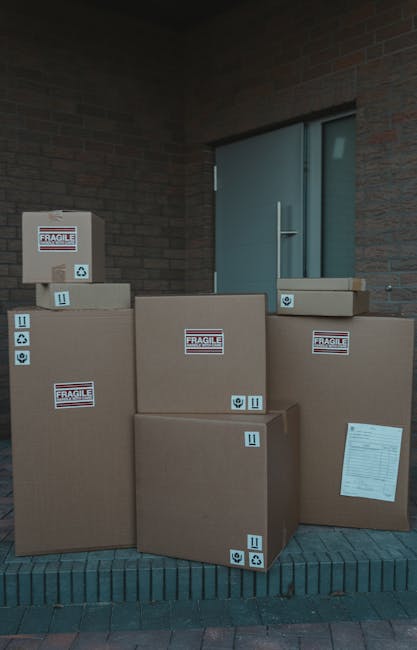
Emergency last minute removals Knightsbridge delays and solutions
If you are dealing with Emergency last minute removals Knightsbridge delays and solutions, you probably do not need a lecture. You need a clear plan, fast answers, and a moving team that understands how quickly things can go sideways in SW1X. One late key handover, a lift breakdown, a parking issue, or a client who changes the deadline at 4 p.m. can turn a simple move into a full-blown headache.
This guide explains what emergency last-minute removals in Knightsbridge actually involve, why delays happen, and what solutions work best in the real world. We will cover the practical steps, the mistakes people make under pressure, and the local factors that matter in Knightsbridge, from narrow access to premium flats and busy roads that never seem to sit still. Let's face it, when time is tight, the smallest detail matters.
By the end, you will know how to make a fast move smoother, how to reduce disruption, and how to choose the right removal approach for the situation. A calm move is still possible. It just needs a bit of structure, and a little common sense too.
Why Emergency last minute removals Knightsbridge delays and solutions Matters
In Knightsbridge, last-minute moving problems tend to snowball quickly. Apartments can sit above busy streets, access can be awkward, and a delay of even 20 minutes can ripple through the rest of the day. If your move is tied to a tenancy deadline, a completion time, or a building's narrow loading window, there is not much room for "we'll see how it goes".
That is why emergency removals are not just about speed. They are about control under pressure. A good response to delays means keeping the move safe, legal, and organised even when the original plan has fallen apart. Sometimes that means sending a smaller vehicle first. Sometimes it means splitting the move into two trips. And sometimes, truth be told, it means admitting the original plan was too ambitious for the time available.
Knightsbridge adds a few extra complications that are easy to underestimate:
- restricted or awkward parking near residential and commercial addresses
- shared entrances, concierge rules, or strict building access times
- heavy items that need careful handling in tight hallways or lifts
- traffic pinch points around central London routes
- the need for fast communication with building staff, tenants, or estate agents
If you are moving from a flat, office, or townhouse in a rush, delays are not just inconvenient. They can cost money, upset neighbours, and create avoidable stress. The good news is that most delays have workable solutions if you catch them early.
How Emergency last minute removals Knightsbridge delays and solutions Works
Emergency removals usually start the moment a problem is confirmed. That could be a same-day cancellation, a delayed handover, or a move that suddenly has to happen far faster than expected. The job of the removal team is to assess what must move, what can wait, and what route will get everything out without creating new problems.
In practical terms, the process often looks like this:
- Rapid assessment - what needs moving, where it is going, and how urgent it really is.
- Access check - stairs, lift size, parking, loading restrictions, and any building rules.
- Vehicle matching - choosing a van or truck that fits the access and the load.
- Labour planning - deciding whether one team, two people, or extra hands are needed.
- Load sequencing - packing and loading the most urgent or fragile items first.
- Contingency handling - adjusting the plan if the street is blocked, the lift fails, or the keys are late.
This is where experience matters. A well-run urgent move is not frantic. It is organised, flexible, and a bit boring in the best way. Boxes are labelled properly, routes are checked, and somebody keeps track of the clock without panicking every five minutes.
For many people, the best solution is a same-day removals service that can respond quickly, but the right choice depends on access, volume, and timing. A small flat with a few essential items is very different from a full family home or office move with furniture that needs disassembly.
Sometimes the move can be rescued by a smaller vehicle and a fast-loading approach. In other cases, the issue is not transport at all but logistics. If the lift is blocked, the concierge has not released access, or a parking bay is unavailable, the solution starts with coordination rather than muscle.
Key Benefits and Practical Advantages
Fast removals are not only about beating the clock. When handled properly, they can reduce stress, protect belongings, and keep your day from unravelling. That sounds obvious, but under pressure people often focus only on speed and forget the other benefits.
Here is what a well-managed emergency move can give you:
- Less downtime - you can get moved out, handed over, or reopened sooner.
- Lower stress - a clear plan gives you something to work with, not just a mess of uncertainty.
- Better protection for items - rushed does not have to mean careless.
- Fewer expensive mistakes - especially around parking, access, or damage to furniture.
- More flexibility - a good removal team can adapt if the situation shifts mid-job.
There is also a reputational benefit for landlords, agents, and business owners. A move handled neatly, even at short notice, tends to reduce complaints and keep relationships intact. In a place like Knightsbridge, where many properties come with strict expectations, that matters more than people like to admit.
A practical example: if a tenant is leaving a flat late in the afternoon and the incoming resident is due the next morning, a delay can become a chain reaction. A fast, tidy removal solution keeps the building calm and avoids the all-too-familiar "just one more hour" situation. Nobody enjoys that conversation.
Who This Is For and When It Makes Sense
Emergency last-minute removals are not for every move. Some moves can be planned calmly over several days or weeks, and that is ideal. But some situations simply do not allow that luxury.
This kind of service makes sense if you are:
- facing a same-day or next-day move with very little warning
- dealing with a delayed completion, tenancy handover, or property access issue
- trying to move out of a flat or office before a hard deadline
- managing a partial move where only essential items need urgent transport
- replacing a cancelled mover and need a fallback quickly
- stuck with furniture or boxes that must be relocated before the building closes access
It is also useful if you are moving from or into a high-value property where careful handling matters just as much as speed. For example, a large sofa that needs to come through a narrow corridor without scratching walls is not something you want left to improvisation.
People often ask whether they should choose a specialist removal firm or simply hire a van and hope for the best. To be fair, if the move is small and the access is easy, a straightforward vehicle hire can work. But if there are stairs, awkward loading, fragile items, or a hard time limit, professional help usually pays for itself in fewer headaches.
Step-by-Step Guidance
If you are dealing with a delay right now, do not start by packing random things into random boxes. Start with the basics. Calm first, boxes second.
1. Confirm what is actually delayed
Is the issue transport, access, keys, packing, or building permission? These are different problems, and they need different fixes. A delayed lift is not the same as a delayed van. Once you know the bottleneck, the next decision gets easier.
2. Separate urgent items from non-urgent items
Not everything needs to move immediately. Make a quick list of essentials: documents, valuables, medication, chargers, keys, passports, and anything fragile. Keep those in one place. Everything else can be grouped into "move now" and "can wait" piles.
3. Check access before the vehicle arrives
In Knightsbridge, access is often the part that catches people out. Measure the entrance if needed, check whether the lift is usable, and confirm whether loading is allowed at the property. If there is a concierge or building manager, speak to them early. A 30-second call can save a 30-minute delay.
4. Choose the right moving method
If the property is awkward or the move is small, a man and van setup may be enough. If the load is larger or you need more handling support, a full removal team may be the safer call. The right answer depends on time, volume, and how much lifting is involved.
5. Pack for speed, not perfection
You are aiming for safe and workable, not museum-grade presentation. Use strong boxes, wrap fragile items, and label rooms clearly. If you have packing supplies ready, that is helpful. If not, focus on the most breakable things first and keep moving. Slight chaos is normal. Total chaos, less so.
6. Load in the right order
Start with items that are essential but not fragile, then move to larger furniture, then valuables and anything sensitive. This keeps the van organised and reduces the chance of damage. It also helps when unloading at the destination, especially if the new property is not fully ready.
7. Build in a backup plan
If a delay happens again - and sometimes it does - decide in advance what the fallback is. Could you store some items temporarily? Can the move be split? Is there another access route? Having a backup sounds very neat on paper, but in the real world it is the difference between inconvenience and complete meltdown.
Expert Tips for Better Results
Here are the small details that often make the biggest difference in a rushed move. None of them are glamorous. All of them help.
- Keep one essentials bag separate - do not bury chargers, keys, documents, and medication under three layers of tape.
- Photograph fragile or valuable items - this helps you track condition before and after the move.
- Use clear labels - "Kitchen", "Bedroom", and "Do Not Crush" are much better than mystery scribbles.
- Measure awkward furniture - a sofa that will not fit through a doorway is a problem you want to know about early.
- Keep hallways clear - it saves time and reduces the chance of knocks and scrapes.
- Update everyone involved - landlord, estate agent, building staff, and anyone waiting at the other end.
One thing we often see is people underestimating how long the final 10 percent takes. The last few boxes, the awkward lamp, the loose coat stand, the "oh, that's in the bathroom too" moment. It always takes a bit longer than you think. Always.
If you need flexibility around planning, some customers benefit from checking general removal services alongside more focused options. That way, you can match the service to the size of the job rather than forcing the move into the wrong box, so to speak.
Common Mistakes to Avoid
When people are rushed, they tend to make predictable mistakes. The good news is that most of them are avoidable if you know what to look for.
- Assuming the delay will fix itself - it usually does not. Act early.
- Booking the wrong vehicle size - too small means extra trips; too large may be awkward for access.
- Ignoring building rules - lift bookings, loading times, and concierge procedures matter more than people expect.
- Not separating fragile items - once mixed in, they are much harder to protect quickly.
- Forgetting parking or access restrictions - central London is not the place to "just stop there for a minute".
- Trying to do everything yourself - if the move is already behind schedule, loading the van solo may only make the delay worse.
Another common slip is poor communication. A removals team can work fast, but they cannot read minds. If the keys are late, the lift is out of order, or a piece of furniture needs special handling, say it early. A quick message at the right time can save the whole schedule.
And yes, some moves are genuinely messy no matter how well you plan them. That happens. The trick is to reduce the number of new problems you create while solving the old one.
Tools, Resources and Recommendations
You do not need fancy kit to manage a last-minute move, but a few simple tools make a big difference. Most of this is practical, not glamorous.
- Strong boxes - sturdy enough for books, glassware, and mixed household items.
- Bubble wrap or packing paper - essential for fragile belongings and high-value finishes.
- Marker pens and labels - probably the most underrated tools in any move.
- Furniture blankets - useful for protecting polished surfaces and corners.
- Tools for disassembly - Allen keys, screwdrivers, and a small bag for fixings.
- Phone charger or power bank - because the worst time for a flat battery is when you are coordinating a move.
If you expect delays, temporary storage can be a useful safety net. A service such as storage can give you breathing room when the new property is not ready or access is unexpectedly blocked. That bit of flexibility can stop a bad day from becoming a very expensive one.
For bulky furniture, especially if the item is valuable or awkward, consider whether a dedicated furniture removals service is more appropriate than a generic move. Bigger pieces usually need better planning, not just stronger arms.
If your move includes specialist items such as upright pianos, the safer route is a dedicated piano removals approach. Heavy instruments can be deceptively difficult, and the wrong handling can lead to costly damage fast.
Law, Compliance, Standards, or Best Practice
Emergency removals in London often touch on practical compliance issues rather than legal drama, but those details still matter. You do not need to become a legal expert to move house, though you should understand the basics that affect safety, access, and responsibility.
For example, many buildings in Knightsbridge have rules around loading bays, lift protection, insurance cover, and moving hours. A removal company should be able to work within those rules and handle belongings with reasonable care. If a property requires proof of insurance or specific access arrangements, it is sensible to ask for those details before the day of the move.
Health and safety matters too. Heavy lifting, awkward angles, and tight stairwells create avoidable risks if rushed. Good practice means using the right number of people, protective equipment where needed, and proper handling techniques. It is not about being over-cautious. It is about not making a difficult day harder.
If you want a clearer picture of the company's approach, you can review its health and safety policy and insurance and safety information. Those pages help set expectations around responsible moving, which is exactly what you want when time is tight.
There is also a wider responsibility around waste and sustainability. If items are no longer needed, consider whether they can be reused, donated, or recycled rather than dumped in a rush. The practical side of moving is messy enough without leaving a trail of avoidable waste behind. The recycling and sustainability page covers that mindset well.
Options, Methods, or Comparison Table
Not every urgent move needs the same method. The best solution depends on how much is moving, how quickly it must happen, and how difficult the property access is. Here is a simple comparison to help you think it through.
| Option | Best for | Strengths | Possible drawbacks |
|---|---|---|---|
| Same-day removals | Urgent full or partial moves | Fast response, flexible scheduling, good for deadline pressure | May need quick decision-making and clear access details |
| Man and van | Smaller loads, short notice, lighter furniture | Flexible, efficient, often well suited to compact moves | Less ideal for large homes or heavy specialist items |
| Full removal service | Larger homes, offices, complex access | More labour, more structure, better for difficult handling | May require more planning and lead time |
| Temporary storage plus move | Delayed completions or access problems | Reduces pressure and protects the schedule | Creates an extra step and possible added cost |
If you are unsure which route is best, a quick discussion with a removals specialist usually clarifies the picture within minutes. That is often easier than guessing, and a lot less stressful than a last-minute gamble.
Case Study or Real-World Example
Imagine a couple moving out of a Knightsbridge flat late on a Friday. The completion ran over, the keys were delayed, and the lift booking was due to expire before the new access window began. Not ideal. Not even close.
Instead of trying to force a full move in one shot, the team split the job into priorities. Essential boxes, documents, and a few pieces of furniture were loaded first. Fragile items were wrapped separately and kept close to the vehicle. A second trip handled the larger pieces once the access window reopened.
What made this work was not speed alone. It was sequencing.
The team confirmed the access route, kept the client updated, and avoided the classic "let's just improvise" trap. The move was still stressful, of course. Nobody is pretending otherwise. But it remained manageable, and the important thing got done without damage or confusion.
That is the heart of good emergency removals in Knightsbridge: not perfection, but controlled flexibility. When the plan changes, the response should change with it.
Practical Checklist
Use this checklist when a move is suddenly under time pressure. A few minutes with this list can save a lot of scrambling later.
- Confirm the reason for the delay.
- List urgent items that must move first.
- Check building access, lifts, and loading rules.
- Confirm parking or stopping arrangements.
- Choose the right vehicle size for the property and route.
- Separate fragile, valuable, and essential items.
- Pack a personal essentials bag.
- Keep communication open with the removals team.
- Have a backup option for storage or split delivery.
- Keep hallways and exits clear for loading.
- Take photos of valuable items before moving them.
- Review insurance or safety details if the items are high value.
Quick takeaway: urgent removals work best when you combine speed with simple structure. Do the obvious things well, keep the access details clean, and do not waste time trying to make the move look neat on paper. Just get it moving safely.
If you need a broader overview of available options, you can also review removal services and compare them with your timeline before committing. A few minutes of checking now can save hours of stress later.
Get a free quote today and see how much you can save.
Conclusion
Emergency last minute removals in Knightsbridge are rarely neat, but they do not have to be chaotic. The best solutions are usually the simplest ones: clear communication, the right vehicle, a realistic loading plan, and a team that knows how to work around access issues without losing momentum.
If a delay has thrown your move off course, do not wait for it to become worse. Tackle the bottleneck, separate the urgent items, and choose a move method that fits the reality of the property, not the version you wished you had. That is the difference between a panic move and a controlled one.
And if all this feels a bit much right now, that is normal. Moving under pressure is tiring, full stop. But with the right approach, it is still very much solvable.
Take it step by step, keep the essentials close, and trust the process. It will get done.
Frequently Asked Questions
What counts as an emergency last minute removal in Knightsbridge?
It usually means a move that needs to happen with very little notice, often because of a delayed completion, a sudden tenancy issue, cancelled transport, or a deadline that has moved. In Knightsbridge, access and timing often make the situation feel more urgent than in other areas.
How fast can a same-day move usually happen?
That depends on the size of the load, the time of day, vehicle availability, and how straightforward the access is. A small flat move can sometimes be arranged quickly, while larger or more complex jobs may need more coordination. The sooner you call, the better the options.
What are the most common delays in Knightsbridge removals?
Parking restrictions, lift access, building rules, traffic, late keys, and awkward staircases are all common issues. In premium buildings, concierge procedures can also affect timing, so it helps to confirm those details early.
Is a man and van service enough for an urgent move?
Sometimes yes, especially for smaller loads or a partial move. But if you have heavy furniture, fragile items, or a difficult access route, a more complete removal setup is often safer and faster overall.
What should I do first if my move has been delayed?
First, identify the exact cause of the delay. Then separate the items that must move immediately from those that can wait. After that, check access, parking, and building rules so the next step is based on facts, not guesswork.
Can storage help if I cannot move everything today?
Yes, temporary storage can be a very practical solution when the property is not ready or the schedule has broken down. It gives you breathing room and can prevent rushed decisions that lead to damage or extra costs.
How do I avoid damage during a rushed move?
Use strong boxes, wrap fragile items properly, label everything clearly, and keep hallways clear. It also helps to move in the right order and not overload boxes just because time is short. Heavy boxes and quick moves are not friends.
Do I need to worry about insurance for emergency removals?
Yes, especially if you are moving valuable or fragile items. You should understand what cover is in place and whether the move method matches the level of risk. It is sensible to ask for that information before the job starts.
What if the lift is out of order on moving day?
That can change the whole plan. In many cases, the move may need extra labour, a different loading method, or a revised schedule. Tell the removals team straight away so they can adjust before time is wasted.
Are emergency removals more expensive than planned moves?
They can be, because urgent jobs often involve faster coordination and sometimes more flexibility from the team. The final cost depends on the size of the move, access, timing, and whether storage or extra labour is needed. It is best to request a clear quote as early as possible.
What type of items need special care in a last-minute move?
Glass furniture, mirrors, artwork, antiques, pianos, and high-value household items need extra care. If possible, keep those items separate from general boxes and tell the removals team about them in advance.
How can I make a rushed office move easier?
Prioritise essential equipment, file storage, and anything needed to keep operations running. A good office move plan usually focuses on access, labelled boxes, and who is responsible for each department or room. That small bit of order saves a lot of nonsense later.