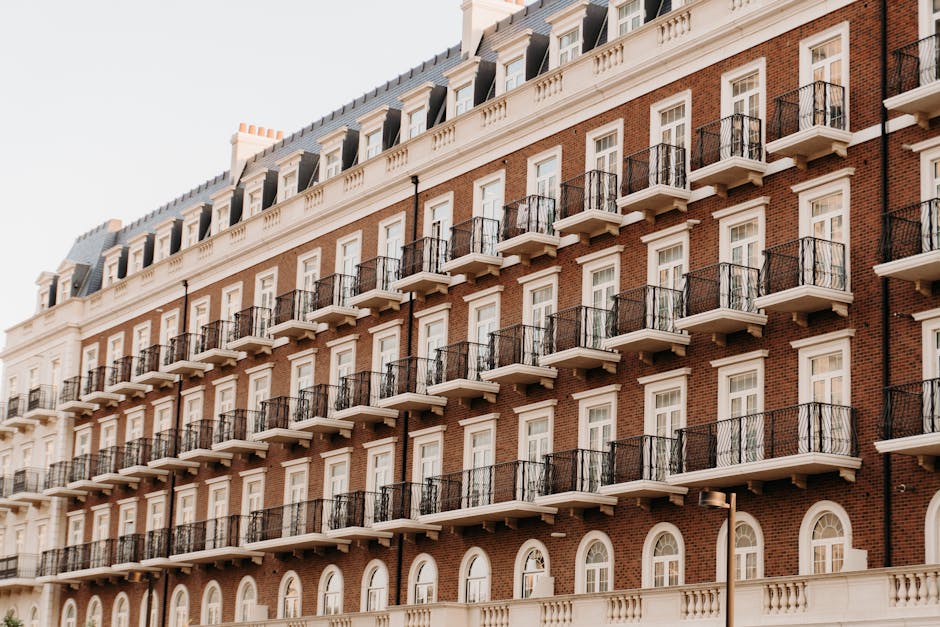
Moving in Knightsbridge can feel straightforward on paper, then suddenly become awkward the moment you meet a tight entrance, a concierge desk, or a lift that is technically there but somehow never available when you need it. That is why common access problems for Knightsbridge removals at luxury flats deserve proper planning, not a last-minute shrug and a hope for the best. In luxury buildings, access rules are often stricter, the layouts are less forgiving, and the margin for error is tiny. This guide walks through the real-world issues that tend to slow removals down, how to prepare for them, and what a good moving plan should look like from the first inspection to the final box being carried in.
If you are trying to avoid delays, complaints from building management, or damage to communal areas, you are in the right place. We will cover the practical side of access, the common mistakes people make, and the best ways to reduce friction. A move should not feel like a puzzle with missing pieces. It can be managed, calmly, with the right preparation.
Why Common access problems for Knightsbridge removals at luxury flats Matters
Luxury flats in Knightsbridge are designed to impress, but they are not always designed for easy removals. You may find narrow shared entrances, protective floor coverings, strict booking slots for lifts, and building teams who quite rightly want to protect the property and its residents. A small access issue can snowball quickly. Ten minutes waiting for a lift becomes forty. A forgotten booking form becomes a missed slot. A van parked a little too far from the entrance means extra carrying, more fatigue, and more risk.
That matters for three reasons. First, timing: many luxury developments operate with tight move-in windows, especially on weekdays. Second, cost: delays usually mean more labour time, more parking pressure, and potentially another visit if access fails completely. Third, protection: expensive furniture, marble lobbies, glass doors, and polished finishes do not forgive a rushed corner turn. To be fair, nobody wants the first mark in the hallway to come from a sofa arm on a wet morning in June.
There is also the human side. Residents want quiet. Porters want clear instructions. Concierge teams want proof of insurance and a move booked in properly. When all of that is handled in advance, the day feels less like a battle and more like a structured process. That is the real value here: fewer surprises, less stress, and a cleaner handover for everyone involved.
If you are comparing removal support, it helps to look at the wider service picture too. Pages such as flat removals, home moves, and packing and unpacking services can be useful when you are building a move plan around a complex building.
Table of Contents
- Why Common access problems for Knightsbridge removals at luxury flats Matters
- How Common access problems for Knightsbridge removals at luxury flats Works
- Key Benefits and Practical Advantages
- Who This Is For and When It Makes Sense
- Step-by-Step Guidance
- Expert Tips for Better Results
- Common Mistakes to Avoid
- Tools, Resources and Recommendations
- Law, Compliance, Standards, or Best Practice
- Options, Methods, or Comparison Table
- Case Study or Real-World Example
- Practical Checklist
- Conclusion
- Frequently Asked Questions
How Common access problems for Knightsbridge removals at luxury flats Works
Most access issues fall into a handful of patterns. Once you know them, the day becomes much easier to manage. In practice, a removal team will usually assess the route from van to flat, the building rules, the lift arrangements, and the likely pinch points. Luxury flats often require a more formal approach than standard residential moves, and that is not a bad thing. It just means the logistics need proper attention.
Typical access bottlenecks
- Restricted loading areas: The van may not be able to stop directly outside the building for long, or at all.
- Lift bookings and time slots: Many buildings require lifts to be reserved in advance, often for a specific window.
- Shared lobbies and narrow corridors: These can make manoeuvring large items slow and careful.
- Stair-only sections or split-level entrances: Even a property with lifts can still have a short flight of stairs or a raised threshold.
- Concierge approval: Some buildings need advance notice, ID, insurance documents, or move-in forms.
- Parking pressure: In central London, a van and a bay space do not always line up neatly.
The moving process usually starts before the truck arrives. You confirm booking permissions, check whether the lift can take standard furniture dimensions, decide on the best vehicle size, and make sure packing is done so the team can move efficiently. If access is tight, the smallest forgotten detail can become the biggest delay. A wheelbarrow-style sack truck may be fine in one building and completely useless in another. That sort of thing happens more often than people expect.
One thing worth saying plainly: not every luxury flat problem is about size. Sometimes the issue is timing. A building might allow moves only after 10 a.m. because of resident quiet hours. Or the concierge may need a security handover that adds fifteen minutes before anything can start. The access plan has to match the building's rhythm, not the other way around.
What a good access plan usually includes
- Full address details and flat number.
- Lift dimensions and restrictions, if known.
- Loading bay or roadside stopping arrangements.
- Any concierge or porter requirements.
- Move-in or move-out booking times.
- Protection for floors, walls, and door frames.
- Clear instructions for fragile, oversized, or valuable items.
That list sounds simple, but it is the backbone of a smooth move. If you want to understand the broader service offer around this kind of planning, the site's removal services and removals pages provide a useful overview of how different moving needs fit together.
Key Benefits and Practical Advantages
Good access planning is not just about avoiding trouble. It makes the whole removal day cleaner, quicker, and far less draining. When the route is mapped properly, the team can work in a steady rhythm, which is usually safer for everyone and better for your belongings. Luxury flats often contain pieces that are awkward, heavy, or both. A piano, a marble coffee table, a tall mirror, or a large wardrobe can become very difficult if access is not thought through.
Here are the main advantages of getting access right before moving day:
- Less waiting time: Less time stuck in lobbies, lift queues, or parking dead ends.
- Lower risk of damage: Furniture is less likely to scrape, bump, or twist through narrow spaces.
- Better crew efficiency: Movers can focus on carrying, not problem-solving every five minutes.
- Fewer building disputes: Proper booking and communication reduce friction with management.
- More predictable costs: A move that runs on time is usually easier to budget for.
- Less stress for you: Which, honestly, matters a lot on the day.
There is also a reputational benefit if you are a landlord, managing agent, relocation coordinator, or simply the person organising the move on behalf of a family member. Buildings remember the moves that were tidy and considerate. They also remember the chaotic ones. Let's face it, no one wants to be that household.
Expert summary: In Knightsbridge luxury flats, access planning is not a nice extra. It is part of the removal itself. If the building route, lift schedule, and parking arrangements are clear before the van arrives, the rest of the day becomes much easier to control.
Who This Is For and When It Makes Sense
This guidance is useful for anyone moving into or out of a luxury apartment, townhouse-style flat, or serviced residence where building access is controlled. It is especially relevant if the property is in a busy central London location with tight streets, resident restrictions, or limited service parking.
You will benefit most from this if you are:
- moving into a high-spec flat with a concierge or porter desk;
- moving out of a building that requires pre-booked lift access;
- transporting bulky furniture through a shared entrance;
- coordinating a family move with multiple fragile items;
- arranging a same-day or time-sensitive relocation;
- trying to minimise disruption in a managed block;
- dealing with an item that needs special handling, such as a piano.
It also makes sense if you are not personally doing the lifting but still need to understand what can go wrong. A lot of access problems are caused by assumptions. Someone thinks the van can wait outside. Someone else assumes the lift can take a sofa. Someone else forgets the concierge office closes at 4 p.m. Small misunderstanding, big headache. It happens.
If you are also dealing with storage between addresses, the storage option can be helpful when building access at the destination is delayed or the keys are not quite ready on schedule. For larger household moves, house removals may be more appropriate; for compact or mid-size apartment moves, man with van style support can sometimes be a simpler fit, depending on the load and access conditions.
Step-by-Step Guidance
A smooth luxury flat move usually comes down to preparation. Here is a practical sequence that keeps access problems under control.
- Confirm the building rules early. Ask for move-in or move-out windows, lift reservations, loading restrictions, and any paperwork required by management.
- Measure the awkward bits. Door widths, lift sizes, ceiling clearances, and staircase turns matter more than people think.
- Map the route from van to flat. Count the doors, steps, and corners between the vehicle and the apartment itself.
- Decide what needs special handling. Large mirrors, artwork, pianos, glass furniture, and expensive finishes should be flagged in advance.
- Book the vehicle and team size to match the access. A bigger team is not always overkill if the lift is slow or the route is long.
- Pack for carry speed, not just storage. Uniform boxes, clear labels, and well-protected furniture wrap make a real difference.
- Prepare concierge and porter details. Names, contact numbers, and ID expectations should be checked before the day.
- Build in slack time. Even a well-run move can hit a minor delay. Padding the schedule helps enormously.
- Walk the route on arrival. A five-minute check can prevent a forty-minute mistake.
- Keep a decision-maker available. If an access issue appears, someone needs to be able to answer quickly.
A simple example: imagine a fourth-floor flat with a booked lift, but the lift is too narrow for a wardrobe that was measured only at the room level, not the packaging level. The item may still fit after partial dismantling, but only if that decision happens early. Once the team is standing in the lobby with a fully packed wardrobe and a booked slot ticking away, the options become much worse. That is the difference between planning and improvising.
For packing support, the pages on packing and boxes and packing and unpacking services can help you think through how your belongings should be prepared before access becomes the main obstacle.
Expert Tips for Better Results
After a while, you start to see the same access issues come up again and again. The good news? Most of them are avoidable with a few habits that are surprisingly boring, but very effective.
- Ask about the service lift, not just the passenger lift. Luxury buildings often have separate lift rules for staff and deliveries.
- Confirm where the van can actually wait. "Outside the building" is not always a usable instruction in central London.
- Check for protection requirements. Some buildings want floor runners, wall protection, or corner guards in place before move-in.
- Flag items that need dismantling. A bed frame or large wardrobe may be fine only if taken apart first.
- Keep one small essentials box separate. Keys, phone chargers, tea, paperwork, and medication should not disappear into the moving pile.
- Photograph access points in advance. A quick set of pictures can be more useful than a vague description over the phone.
If the building is especially strict, I would also suggest checking the tone of communication. A calm email to the concierge or management team usually works better than a hurried call five minutes before arrival. People are more helpful when they know the move is organised. Strange, but true.
And here is a tiny bit of practical wisdom: never assume a lift booking is enough on its own. A booking without the right access code, the right time slot, or the right contact person can still fail. The ticket is not the same as the door opening. That little distinction causes more stress than it should.
Common Mistakes to Avoid
These are the errors that cause the most trouble in Knightsbridge luxury flat removals. None are dramatic on their own. Together, they can turn a tidy move into a slow, expensive one.
- Leaving access checks until moving week. By then, lift slots and parking options may already be limited.
- Guessing measurements. "It should fit" is not the same as measuring the doorway.
- Forgetting to tell the building management. Some developments need formal notice, not casual mention.
- Booking the wrong vehicle size. Too large and you may struggle with street access; too small and you create multiple trips.
- Not preparing the furniture properly. Wrapped, dismantled, and labelled items are much easier to move through tight spaces.
- Ignoring quiet hours or resident rules. A move that annoys the building can create avoidable friction.
- Assuming every removal team understands luxury-building protocols automatically. Many do, but you still need to confirm the plan.
One of the more common frustrations is the person who thinks access is a "day-of" issue. It usually is not. Access should be planned at the same time as the packing list, not after the boxes are already sealed. A move with no access plan is basically a moving day with extra surprises. And nobody asked for those.
Tools, Resources and Recommendations
You do not need special equipment for every move, but a few practical tools make access management far easier. Most of these are standard removal basics, yet they become especially useful in premium apartment buildings where care and pace matter.
- Measuring tape: For doorways, lift openings, furniture dimensions, and awkward turns.
- Phone camera: To record corridor width, entrance steps, and loading restrictions.
- Furniture blankets and wraps: Essential for protecting polished or delicate surfaces.
- Trolleys and sack trucks: Helpful if the route allows them.
- Labels and notes: These reduce confusion when items need to be carried in a specific order.
- Printed booking confirmations: Still useful in buildings where reception or concierge checks arrival details.
For larger or more complex logistics, it can also help to review removal van, moving truck, and removal truck hire options, especially if access, volume, and parking all need to be balanced together. There is no single right answer. The right vehicle depends on the building, the load, and the route. Simple as that.
One final recommendation: keep every access note in one place. A single message thread, document, or checklist is much better than five scattered texts and a vague memory. I have seen moves go sideways because the loading time was shared in one place, the lift slot in another, and the concierge contact in a third. It sounds funny after the fact. At the time, not so much.
Law, Compliance, Standards, or Best Practice
Luxury-flat removals in Knightsbridge are usually shaped less by one single law and more by a mix of building rules, landlord requirements, insurance expectations, and general safety practice. Because that varies by building, it is better to think in terms of compliance and good practice rather than assume one universal rule applies to every property.
In practical terms, the main expectations are usually:
- Insurance awareness: The removal provider should be able to explain how goods, property, and transit are covered.
- Health and safety: Lifting methods, route safety, and hazard awareness should be handled sensibly.
- Building permissions: Concierge instructions and move bookings should be respected.
- Accessibility considerations: Shared spaces should not be blocked or made unsafe for residents.
- Clear terms: You should know what is included, what is not, and what happens if access is delayed.
If you want reassurance around the practical side of safety and cover, the pages on insurance and safety and health and safety policy are sensible places to look. For moving terms and expectations, terms and conditions can also be helpful. They may not be exciting reading, but they do matter. Quite a lot, actually.
There is also an important practical point: if a building asks for certain protections, time windows, or documentation, it is usually best to treat those as part of the job, not as a nuisance. The move goes more smoothly when everyone feels respected. That sounds obvious, yet it is often the difference between a courteous handover and an awkward one.
Options, Methods, or Comparison Table
When access is tight, the moving method you choose can make a real difference. Some jobs call for a larger vehicle and crew; others are better served by a more compact approach. Here is a simple comparison to help you think it through.
| Approach | Best for | Access strengths | Possible drawbacks |
|---|---|---|---|
| Large removal truck | Full household moves, bigger furniture loads | Moves many items in one trip | Can be awkward on narrow streets or in limited loading areas |
| Removal van | Smaller apartment moves, lighter loads | Easier to position in tighter spaces | May require more than one run if the load is large |
| Man and van style support | Compact moves, partial loads, urgent relocations | Flexible and often nimble around access constraints | Less suitable for heavy or specialist items unless properly scoped |
| Storage-first approach | When access or keys are delayed | Reduces pressure on move day | Requires extra coordination and timing |
There is no universal winner here. A quiet, tidy move into a one-bedroom flat may be ideal for a man and van setup. A more complex family relocation with designer furniture and fragile pieces may need a fuller service, such as house removals. If a move is urgent, same day removals may be the right fallback, provided access can still be arranged safely and within the building's rules.
Case Study or Real-World Example
Here is a realistic scenario, the kind you hear about all the time in central London. A couple is moving from a luxury flat near Knightsbridge with two large wardrobes, a marble dining table, and several boxed pieces of artwork. The building has a concierge desk, a passenger lift, and a service lift that must be booked the day before. Sounds manageable. Then the first snag appears: the service lift booking was made, but the move-out time clashes with another resident delivery slot.
Instead of arriving and hoping it works out, the team checks the route in advance. They confirm the loading bay window, split the wardrobe before arrival, and protect the lobby floor where the walk-in path is narrow and polished. The artwork is loaded last so it is not sitting around in the corridor while the lift is busy. One of the wardrobes has to be partially dismantled. It is a small adjustment, but it saves time and prevents damage.
The move is not perfect in the cinematic sense. There is a five-minute wait for the lift and one awkward corner turn that requires a brief pause. But because the access plan was sensible, nothing escalates. No damage. No complaints. No drama. Just a steady move, a few tired arms, and relief at the end when the keys are handed over.
That is usually what "success" looks like in real life. Not perfect. Just controlled.
Practical Checklist
Use this checklist before moving day so access does not catch you out.
- Confirm the exact flat number and building entrance.
- Check whether a concierge or porter needs advance notice.
- Book any lift access or loading bay slot required by the building.
- Measure doorways, lift dimensions, stair turns, and any tight corners.
- Identify any item that needs dismantling or specialist handling.
- Pack fragile items securely and label them clearly.
- Protect floors, walls, and furniture surfaces.
- Make sure contact details for the building and the move lead are available on the day.
- Confirm where the van can wait and how long it can stay there.
- Keep a backup plan in case the first access option is delayed.
It is not glamorous, but it works. And on removal day, practical beats glamorous every single time.
Conclusion
Common access problems for Knightsbridge removals at luxury flats are rarely caused by one big failure. More often, they come from small details that were not checked early enough: a lift slot missed, a loading bay misunderstood, a doorway measured too loosely, or a concierge requirement left until the morning of the move. The good news is that these issues are very manageable when you treat access as a core part of the removal, not an afterthought.
A thoughtful plan keeps the move calmer, protects the building, and reduces the odds of awkward surprises. It also makes life easier for everyone involved, from the people carrying the boxes to the people opening the front door. That is the sort of difference you notice immediately, especially in a busy part of London where time and space are both precious.
If you are preparing a move and want it handled with proper care, it helps to start with a clear plan, a clean checklist, and the right support for your building's access rules. Small details matter here, perhaps more than anywhere else. Get them right, and the day feels much lighter.
Get a free quote today and see how much you can save.
Frequently Asked Questions
What are the most common access problems for Knightsbridge removals at luxury flats?
The most common issues are lift restrictions, limited loading space, narrow entrances, concierge booking rules, and tight move-in windows. In luxury buildings, these often matter more than the actual distance being moved.
Why do luxury flats create more access problems than standard apartments?
Luxury flats often have stricter building management, protected communal areas, and more controlled access. That is good for security and upkeep, but it means removals need to be planned more carefully.
Should I measure the lift and doorways myself?
Yes, if you can. Even a rough measurement helps. What looks fine in a hallway can be awkward once a sofa is angled or wrapped for protection. Measuring saves guesswork, which is usually where trouble begins.
Do I need to tell the concierge before moving day?
Usually, yes. Many Knightsbridge buildings expect advance notice, and some require booking confirmation, ID, or specific arrival times. It is best to check well before the move.
What if the van cannot park directly outside the building?
That is common in central London. A good removal plan should account for a longer carry distance or an alternate loading point. The team may need extra time or a different vehicle setup.
Can a removal team move heavy furniture through a service lift?
Sometimes, yes, but only if the lift size, weight limits, and building rules allow it. Large items may still need dismantling. You should never assume the lift will take everything.
Is same-day removal possible if access is difficult?
It can be, but only if the building rules, parking, and lift access can all be arranged quickly. Urgent moves are possible, though they are much easier when the route and permissions are already clear.
What should I do if my move is delayed by building access?
Stay in contact with the building team and your removal provider, and be ready to adjust the schedule. If needed, storage can be a sensible short-term solution while access is sorted out.
How do I protect luxury finishes during a move?
Use proper wrapping, floor protection, and careful handling around corners and shared spaces. Communal areas in luxury flats can be sensitive, and it is worth taking the extra time to avoid scuffs or marks.
Are there special rules for moving pianos or very large items?
Yes. Specialist items often need more planning, more people, and a better route check. A piano, for example, is not just heavy; it is awkward, delicate, and often difficult to turn in tight spaces.
What is the best way to avoid access problems altogether?
Start early. Confirm the building rules, measure the route, book access slots, and pack with the building in mind. Most access problems are avoidable when the move is treated as a logistics job rather than a last-minute lift-and-carry exercise.
Where can I find help with apartment removals and planning?
Useful starting points include flat removals, pricing and quotes, and contact us if you want to discuss the move details directly. A quick conversation now can save a lot of hassle later, honestly.