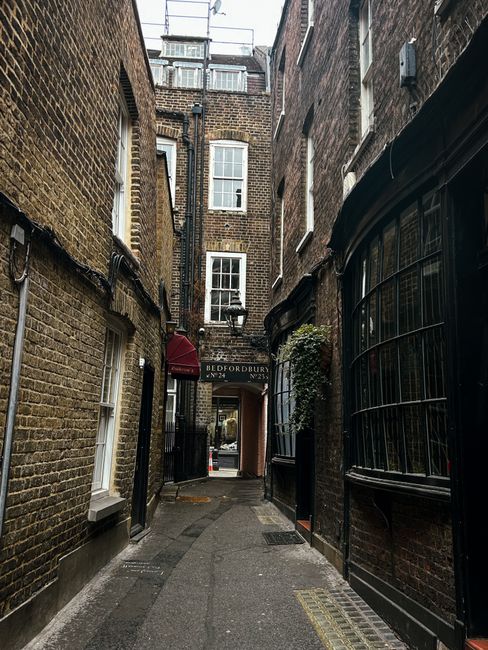
Beauchamp Place removals Knightsbridge narrow street tips
Moving on Beauchamp Place can feel deceptively simple until the van arrives and reality shows up in the form of a tight carriageway, parked cars, cautious neighbours, and a stairwell that seems to get narrower the more boxes you carry. If you are planning Beauchamp Place removals Knightsbridge narrow street tips matter because a good move here is rarely about brute force. It is about timing, access, communication, packing discipline, and knowing how to work with a street that leaves very little room for error.
This guide brings those pieces together in plain English. You will learn how narrow-street removals work in practice, what to prepare before moving day, how to reduce delays and damage, and when it makes sense to use a man and van service versus a fuller team. Truth be told, on streets like Beauchamp Place, the calmest moves usually look the most organised from the start.
Contents
- Why this matters on Beauchamp Place
- How a narrow-street removal works
- Key benefits and practical advantages
- Who this is for
- Step-by-step guidance
- Expert tips for better results
- Common mistakes to avoid
- Tools, resources and recommendations
- Law, compliance, standards, or best practice
- Options, methods, or comparison table
- Case study or real-world example
- Practical checklist
- Conclusion
- Frequently asked questions
Why Beauchamp Place removals Knightsbridge narrow street tips Matters
Beauchamp Place sits in an area where traffic, loading space, building layouts, and pedestrian activity can all influence how a removal day unfolds. That alone changes the game. A standard suburban move often gives you a driveway, a wider road, and a bit of forgiveness if the first plan is not perfect. A narrow Knightsbridge street does not. If a van is too large, if parking access is misread, or if loading starts late, the knock-on effect can be messy very quickly.
The biggest issue is usually not one dramatic problem. It is a sequence of small friction points: a box left in the wrong room, a lobby that cannot be blocked for long, a lift that is not available when expected, or a van that must stop farther away than hoped. Each one adds minutes. Then the minutes become pressure. And pressure on moving day is exactly what you do not want when you are carrying glassware, framed artwork, or that one awkward lamp that nobody quite likes but still needs to survive the trip.
What makes these tips especially useful is that they reduce uncertainty before the first item is loaded. In a place like Beauchamp Place, planning is not just a good idea; it is the difference between a tidy handover and a frazzled afternoon. If you are moving a flat, a townhouse, or even part of a commercial premises nearby, a little street-specific thinking saves a lot of trouble later.
Expert takeaway: on narrow Knightsbridge streets, the winning move is usually the one that minimises stop-start loading, keeps circulation clear, and assigns every item a place before the van doors open.
How Beauchamp Place removals Knightsbridge narrow street tips Works
The practical side of a narrow-street move begins long before the removal vehicle arrives. First comes access planning. That means thinking about where the van can stop, whether any temporary parking arrangement is needed, whether a building entrance is recessed or shared, and whether items will need to be carried a short distance from the vehicle to the property. On a street like this, those few metres matter more than people expect.
Next comes vehicle choice. A larger moving truck can be ideal for volume, but only if the street and access allow it. For some properties, a smaller removal van or a flexible man with van option may be more practical because it can reduce obstruction and simplify loading. That does not mean smaller is always better. It means the vehicle must suit the street, the furniture, and the time available. Sometimes you need a larger vehicle and a tighter loading plan. Sometimes you need to break the move into parts. No drama, just judgement.
Then there is packing. Narrow streets punish poor packing. If boxes are weak, overfilled, or badly labelled, the extra handling needed to shuffle items through tight spaces becomes a real risk. Good packing makes the team faster and safer. It also helps if the removal team can see at a glance which items are fragile, which side should face up, and what needs to be unloaded first at the other end.
Finally, the move itself usually works best in staged sequences: protect the property, clear the most awkward items first, keep shared access open, and maintain steady communication between the driver, the movers, and the person handing over the keys. That is the rhythm. Simple, but not always easy.
Key Benefits and Practical Advantages
There are real benefits to planning a narrow-street removal properly, and they go beyond convenience. The first is speed. When access is mapped out, the team can spend less time improvising and more time moving. The second is safety. Fewer awkward lifts, fewer last-minute turns, and less carrying in congested conditions all reduce the chance of damage or injury.
Another benefit is peace of mind. It sounds obvious, but that matters. If you know the van has been sized properly and the access route has been thought through, you can focus on the move itself rather than worrying about whether the street will defeat the plan. People often underestimate how much mental load a move carries until they are standing in a hallway surrounded by tape, labels, and a half-dismantled bed frame.
There is also a cost advantage in many cases. Efficient access means less waiting time and fewer wasted trips. If the move needs a larger team or a second vehicle, that should be a deliberate decision rather than a reaction to poor planning. For pricing clarity, it is sensible to compare options early through the page for pricing and quotes. That way, you can match the service to the access challenge rather than guessing on the day.
For some households, the best advantage is actually preservation: doors, bannisters, flooring, and furniture edges stay in better condition when the move is designed around the street instead of fighting it.
Who This Is For and When It Makes Sense
This approach makes sense for anyone moving to or from Beauchamp Place, but it is especially helpful for a few common situations. If you are in a flat with limited lift access, narrow communal corridors, or tricky staircases, the planning pays off immediately. The same is true if you are moving a family home with bulky furniture, awkward wardrobes, or fragile pieces that cannot be squeezed through a space on instinct alone.
It also suits local businesses and small offices. A commercial move in a central London street often has tighter timing, more people coming and going, and less tolerance for clutter outside the building. In those cases, a well-structured commercial moves approach can help keep the transition smoother and less disruptive.
If you are moving student items, a small studio load, or a lighter flat move, a leaner service may be enough, especially if the access is straightforward. In those cases, flat removals or a compact van-based setup can make practical sense. If the move includes furniture that is not coming with you, arranging furniture removals or furniture pick up in advance can stop clutter from slowing everything down.
And if the move is time-sensitive, for example because a lease handover is tight or a property completion has slipped, same-day support may be worth considering. There is no magic in it, just responsiveness. Sometimes that is exactly what the day needs.
Step-by-Step Guidance
- Check access before anything else. Measure doorways, note stair turns, confirm lift availability, and think about where a van can safely pause. Do not rely on memory. Streets like this have a way of making small assumptions look foolish.
- Match the vehicle to the street. Decide whether a removal van, a larger truck, or a lighter man with a van setup is the best fit. Larger is not always better if the street cannot comfortably accommodate it.
- Pre-pack with access in mind. Use strong boxes, keep weight sensible, and label boxes by room and priority. That helps both loading and unloading. If you need support, packing and boxes can be a sensible place to start.
- Prepare the building. Put down floor protection where needed, reserve lift time if possible, and warn neighbours or building staff if common areas may be busier than usual.
- Stage items by exit route. Have the first-load items ready near the door, but do not block access. A tidy staging area speeds things up a lot.
- Load in a sensible sequence. Heavy and sturdy items first, fragile items secured separately, and essential boxes loaded last if they need to come off first. Small detail, big effect.
- Keep communication simple. One person should be the main point of contact on site. Too many instructions flying around can slow everything down. It really can.
- Finish with a final sweep. Check cupboards, behind doors, loft spaces, and under beds. That final look saves a headache later, usually when you least want one.
If your move involves a piano, it deserves special planning. A narrow London street plus a heavy instrument is not a casual combination. A dedicated piano removals service is often the sensible route because the weight, shape, and handling risks are different from standard furniture.
Expert Tips for Better Results
One useful habit is to treat the street like part of the property. That sounds odd, but it helps. On Beauchamp Place, the pavement, curb side, neighbour access, and loading position are all part of the operational space. When people think only about the front door, they miss half the problem.
Another good tip is to separate "must move now" items from "can wait" items. If the van cannot stop directly outside, loading becomes more physical and more selective. So keep the essentials ready and leave non-urgent objects for later. That may sound obvious. In the middle of a move, it often is not.
Try to avoid overfilling boxes. Heavy boxes are a classic mistake because they slow lifting and increase the chance of dropped items on stairs or while manoeuvring through a narrow entrance. Books, for example, should be spread across smaller boxes. Your back will thank you, and so will the mover's. Everyone wins.
If the property is a flat, the move often runs more smoothly when arrival time is coordinated around lift use and neighbour traffic. Packing and unpacking services can also be worth considering if you want to reduce the total handling burden, especially when the old and new properties both have tight access.
And one more thing: photograph tricky furniture before dismantling it. A quick picture of screws, brackets, or cable routing can save half an hour later. It is one of those little jobs that feels optional right up until it becomes the smartest thing you did all day.
Common Mistakes to Avoid
The most common mistake is underestimating access. People look at the map and think, "That should be fine," without checking loading conditions, building entry points, or the actual walking route from vehicle to door. On a busy or narrow Knightsbridge street, that can be a costly assumption.
Another mistake is choosing the wrong size vehicle. A smaller van may fit better, but if the load then requires extra trips, you can lose the time you hoped to save. A larger truck may reduce trips but create a parking problem. The best choice is the one that balances access and capacity, not the one that sounds most impressive.
People also forget about the human side of the move. If neighbours, porters, or building managers are caught off guard, the move can become awkward very quickly. A simple heads-up helps a lot. So does keeping corridors clear. Nobody enjoys doing the apologetic shuffle with a sofa while someone else is trying to get past with shopping bags.
Finally, do not leave packing until the night before unless you enjoy chaos. Late packing is how fragile items get mixed in with cables, toiletries, and the one kitchen drawer everyone pretends does not exist. Be honest, we all have that drawer.
Tools, Resources and Recommendations
You do not need a huge toolkit for a successful narrow-street move, but a few practical items make life much easier. Strong tape, clear labels, furniture blankets, protective wrap, and a marker pen are the basics. A door wedge can be useful during loading, and a small trolley or sack barrow helps with repeated transfers if access is limited.
Storage can also be a useful bridge if the timing between properties is awkward or you do not want everything unloaded in one rush. For moves that need a temporary holding point, storage gives you breathing room. That can be particularly helpful when completion dates move around or when a flat is not quite ready for full unpacking.
If you are looking for a more streamlined move, a service like home moves can be a better fit than trying to piece everything together yourself. For smaller jobs, man with a van or removal van options are often more nimble in tight access conditions.
When comparing providers, look beyond the headline price. Ask what happens if the van cannot park directly outside. Ask how fragile items are protected. Ask whether the team has experience with central London streets. That last question is not decorative. It matters.
Law, Compliance, Standards, or Best Practice
For a move like this, the main compliance themes are safety, insurance, and responsible conduct. In the UK, movers and customers alike should think carefully about safe lifting, access protection, and property care. That means avoiding blocked exits, keeping walkways clear, and making sure items are handled in a way that reduces risk to people and buildings.
Insurance is another important consideration. You want to know what is covered if something is damaged in transit or while being carried through tight access. It is sensible to review insurance and safety information before the day arrives. Likewise, if you are comparing companies, the general standards set out in their health and safety policy and terms and conditions can tell you a lot about how they work.
For pricing and payment, transparency is the key expectation. A professional mover should be clear about what is included, what could change the quote, and how payment is handled. The page on payment and security is useful if you want to understand that side of the process without surprises.
If sustainability matters to you, it is worth asking how unwanted items are managed. Responsible disposal, reuse, and recycling can all be part of a better move. The page on recycling and sustainability is a sensible reference point for that conversation.
Options, Methods, or Comparison Table
Different moving methods suit different versions of Beauchamp Place. Here is a simple comparison to help you decide what fits best.
| Option | Best for | Strengths | Trade-offs |
|---|---|---|---|
| Man and van | Small to medium loads, flexible access | Agile, practical in tight streets, usually easier to position | May require more loading coordination for larger households |
| Removal van | Flats, lighter house moves, quick jobs | Balanced capacity and access, straightforward for central London | Can be limiting for bulkier properties |
| Moving truck | Large moves with substantial volume | Fewer trips, better for full-house loads | More challenging on narrow streets and restricted loading areas |
| Full removal service | Complex moves, fragile items, multi-room properties | More manpower, better handling, less stress on you | Usually more involved to plan and coordinate |
There is no single perfect choice. A studio flat with limited furniture and one tight staircase may be best served by a leaner setup. A full townhouse move with art, mirrors, and family furniture may need a broader team and a more deliberate plan. That is why the best removals are matched to the property, not just the postcode.
Case Study or Real-World Example
A practical example helps here. Imagine a two-bedroom flat near Beauchamp Place with a shared entrance, a modest lift, and several bulky items: a sofa, a dining table, a chest of drawers, and a couple of fragile lamps. Nothing extraordinary. But the street is narrow, parking is limited, and the building has to stay accessible for other residents.
The move starts with a short access check. The team confirms where the van can stop, what can be staged inside without blocking the hall, and which items should come out first. The sofa is protected, the table legs are removed, and fragile lamps are boxed separately with clearly marked labels. Rather than waiting until the van is packed to realise the load order matters, the team loads in the sequence they will need at the new property. Simple, but effective.
Because the access was thought through, the job feels quieter. Not easy, exactly. Just controlled. There are still stairs, there is still some lifting, and the street is still a street in central London, so it is not exactly serene. But there is less rushing, fewer awkward repositions, and no last-minute argument about whether the wardrobe can be carried upright. In our experience, that kind of calm is what customers remember most. Not the van size. The feeling that things were under control.
For a similar move, a customer might also pair transport with packing and unpacking services or a modest house removals package, especially where family schedules are already full and time is tight.
Practical Checklist
- Measure doors, stair turns, and any lift dimensions before moving day.
- Confirm where the vehicle can stop and how far items will need to be carried.
- Choose the right vehicle size for the street, not just the load.
- Label boxes by room and priority.
- Keep fragile items separated and clearly marked.
- Dismantle bulky furniture where sensible.
- Reserve or protect shared access areas if required.
- Tell neighbours or building staff about the moving window.
- Keep essentials in one clearly marked box.
- Check insurance, terms, and payment details in advance.
- Walk through the property at the end before handing over keys.
If you are dealing with a larger move, a removal services package can take a lot of pressure off. For smaller or faster jobs, same day removals may be useful when timing has become the whole issue. It happens more often than people admit.
Conclusion
Beauchamp Place removals Knightsbridge narrow street tips are really about turning a difficult environment into a manageable one. The street is narrow, the access can be constrained, and the margin for error is small. But with careful planning, the right vehicle, sensible packing, and a calm loading sequence, the move becomes far more straightforward than it first appears.
The main thing to remember is this: do not treat the street as an afterthought. Treat it as part of the move. Once you do that, everything else starts to make more sense. The boxes are easier to organise, the team knows what to expect, and the day feels less like a scramble and more like a plan. Which is, let's face it, much nicer.
Get a free quote today and see how much you can save.
Frequently Asked Questions
What makes Beauchamp Place removals different from a standard house move?
The main difference is access. Beauchamp Place is a narrow central London street, so vehicle size, parking position, loading time, and pedestrian flow all matter more than they do on wider residential roads.
Should I use a moving truck or a smaller van for a Knightsbridge move?
It depends on the amount of furniture and how much room the street allows. A smaller van can be easier to position, while a larger truck may reduce trips. The best choice balances access and volume.
How far in advance should I plan a move like this?
As early as possible. Even a small move benefits from early access checks, packing prep, and a clear loading plan. If you have awkward furniture or a tight completion date, start sooner rather than later.
Do I need packing help for a narrow-street removal?
Not always, but it can make a real difference. Strong, well-labelled boxes speed up handling and reduce damage risk. If the move includes fragile or expensive items, packing support is often worth it.
What if the van cannot park directly outside the property?
That is common in central London. The move can still work well if the team plans for a short carry distance, stages items properly, and keeps the loading sequence efficient.
Is a man and van service enough for Beauchamp Place?
For smaller flats or lighter loads, yes, it often is. For larger homes or moves with bulky furniture, you may need a fuller removals setup. It depends on the size and complexity of the job.
How do I protect my furniture on a tight staircase?
Use furniture blankets, wrapping, and careful dismantling where possible. Measure the awkward items in advance and avoid forcing pieces through gaps that are obviously too tight. That never ends well.
Can storage help if my move-in date is delayed?
Yes. Temporary storage can be a practical bridge if your property is not ready or your dates do not align. It can remove a lot of pressure from the day.
What should I ask a removals company before booking?
Ask about vehicle size, access experience, insurance, loading plans, and how they handle tight streets. Also ask for clear pricing so you know what is included.
Are same-day removals suitable for narrow streets?
They can be, especially for smaller or urgent moves, but only if the access is workable. Same-day jobs need flexibility, so good information upfront is essential.
How can I make moving day less stressful?
Pack early, label clearly, keep essential items separate, and confirm access details before the vehicle arrives. That combination removes a surprising amount of stress.
What happens if I have a piano or other specialist item?
Specialist items should be handled with specialist care. A piano, for example, is heavy, awkward, and sensitive to bad handling, so dedicated planning is sensible rather than risky improvisation.
If you want help making the whole process easier, take a calm look at the options, choose the one that fits your street as well as your belongings, and move at a pace that feels organised rather than frantic. That is usually how the best moves begin.